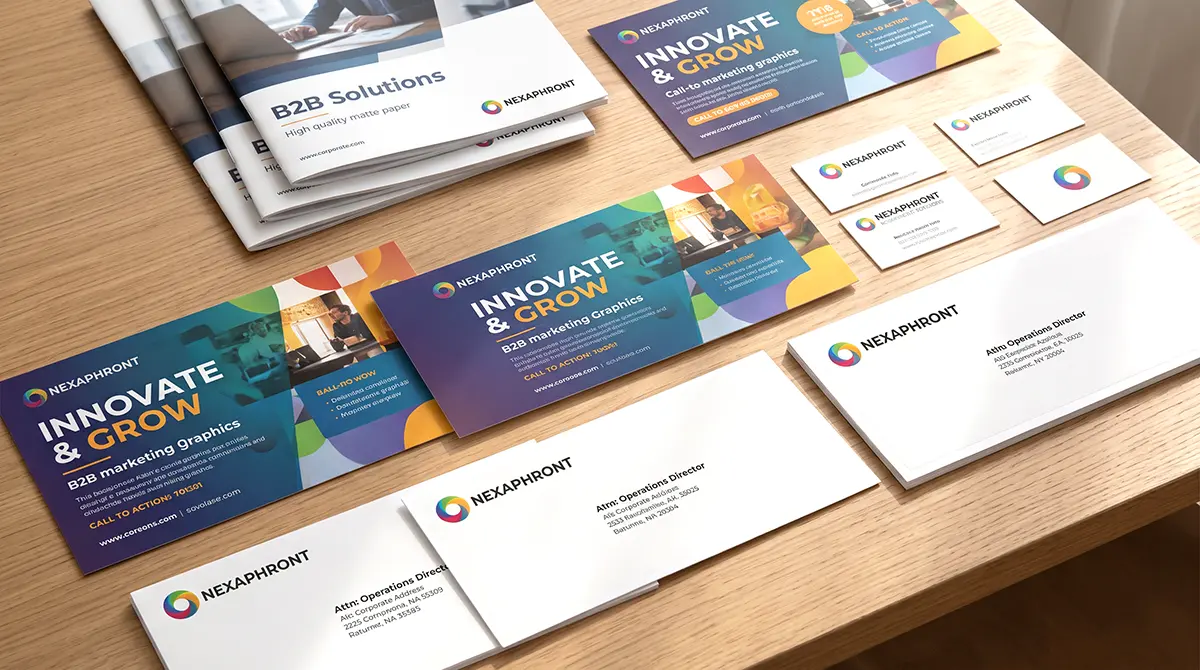
TL;DR: While digital channels are completely saturated, B2B print marketing offers a highly effective way to capture attention, build trust, and drive measurable return on investment for modern commercial brands.
If your brand is struggling to stand out in overflowing digital inboxes, it is time to reconsider the undeniable impact of B2B print marketing. Marketing and communications directors are constantly fighting severe ad fatigue among their target audiences. Consequently, corporate buyers are craving authentic, physical touchpoints in their day-to-day routines. Therefore, leveraging tactile strategies can dramatically improve your overall engagement rates and conversion metrics.
Key Takeaway: Digital marketing is efficient, but physical media builds trust and memorability. By integrating high-quality print into your overarching strategy, you can cut through the noise, foster deeper client relationships, and generate a higher, more measurable ROI.
Why B2B Print Marketing Delivers Unmatched ROI
Historically, digital campaigns offered the absolute cheapest cost per acquisition for B2B brands. However, the media landscape has shifted significantly over the last several years. Because decision-makers are bombarded with thousands of promotional emails daily, digital ignore rates are skyrocketing. Alternatively, beautifully crafted physical media physically sits on a prospect’s desk, quietly demanding their attention.
Furthermore, neurological studies consistently show that physical mail leaves a deeper, more permanent footprint in the human brain. According to a neuro-marketing report by the United States Postal Service Office of Inspector General (USPS OIG), physical advertisements elicit stronger emotional processing and better memory recall than digital ads. Consequently, recipients are far more likely to remember your brand when it comes time to make a major purchasing decision. Ultimately, this increased brand recall directly translates into much stronger conversion rates.
The True Value of Tactile Campaigns
To maximize your departmental budget, you must understand exactly how physical collateral works in your favor. Notably, direct mail campaigns provide a unique sense of exclusivity and prestige that email simply cannot match. When you send a beautifully crafted catalog or a premium brochure, you instantly signal high corporate value.
Consider these undeniable key benefits:
- Higher Open Rates: Physical mail boasts significantly higher open and read rates compared to standard, easily deleted email blasts.
- Reduced Competition: The physical corporate mailbox is far less crowded than a busy B2B buyer’s digital inbox.
- Extended Lifespan: A premium printed piece can stay on a buyer’s office desk for weeks or even months.
- Sensory Engagement: High-quality paper stocks, die-cuts, and unique finishes create a highly memorable tactile experience.
Additionally, modern variable data printing allows for incredible personalization at a massive scale. Marketers can dynamically swap out names, company logos, and even specific imagery based on the recipient’s industry. Therefore, your prospect receives tangible marketing materials that feel entirely bespoke to their unique pain points. This impressive level of customization dramatically boosts response rates.
Comparing the Channels
To truly grasp the underlying value, it helps to look at how these mediums stack up side by side. Of course, a well-rounded marketing strategy uses both methods in tandem to support one another. Nevertheless, physical media holds very distinct advantages for securing high-ticket B2B sales.
| Feature | B2B Print Marketing | B2B Digital Marketing |
| Sensory Impact | High (Sight, touch, smell) | Low (Sight only) |
| Average Lifespan | Weeks to months | Seconds to minutes |
| Competition Level | Low (Empty physical mailboxes) | Extremely High (Cluttered inboxes) |
| Brand Perception | Premium, established, trustworthy | Common, fast, easily ignored |
| Setup Cost | Moderate to High | Low to Moderate |
Elevating Your Strategy with Commercial Printing Services
Integrating physical media into your current digital sales funnel does not have to be overly complicated. First, start by auditing your most successful and engaging digital campaigns. Then, expertly adapt those high-performing messages into physical formats like postcards, brochures, or customized letters.
Partnering with reliable commercial printing services ensures your final product perfectly reflects your brand’s standard of excellence. Quality matters immensely when you are trying to impress C-suite executives. Therefore, you should always source high-quality marketing materials that feature vibrant colors, crisp typography, and premium stocks. Ultimately, when your prospect holds a flawless piece of collateral, they subconsciously associate that same level of quality with your software, service, or product.
Frequently Asked Questions
How do I track the ROI of my physical campaigns?
Fortunately, tracking physical media is much easier today than it was in the past. You can utilize custom QR codes, personalized URLs (PURLs), or dedicated call-tracking numbers on all of your printed pieces. Consequently, every single scan, click, or call can be directly attributed back to that specific mailer, giving you clear ROI data.
Is print marketing sustainable for eco-conscious B2B brands?
Absolutely. Many modern commercial printers like Master Printing + Mailing proudly offer recycled paper stocks and eco-friendly soy-based inks. Furthermore, highly targeted, small-batch mailings create far less waste than the massive, untargeted “spray and pray” campaigns of the past.
How often should we send physical mail to our B2B prospects?
Consistency is key, but you should always avoid overwhelming your professional audience. Generally, sending a high-value physical touchpoint once per quarter keeps your brand effectively top-of-mind. Additionally, you can trigger specific automated mailings based on a prospect’s digital behavior, such as downloading a whitepaper.